
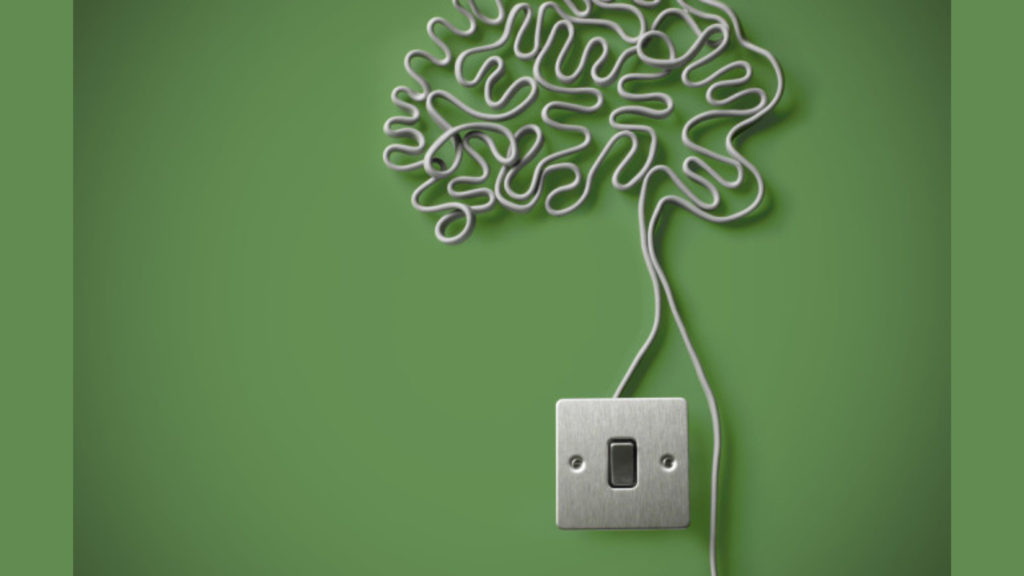
Hello, curious minds and sonic adventurers! Today, we embark on a fascinating exploration into the intricate dance between binaural beats and our nervous system. Join us as we delve into the realm of neuro-harmony, unravelling the profound effects that binaural beats may have on our nervous system and the far-reaching implications for our overall well-being.
The Nervous System Symphony: A Prelude to Understanding:
Before we dive into the impact of binaural beats, let’s set the stage with a brief overview of the nervous system, our body’s intricate symphony conductor.
Central Nervous System (CNS): Comprising the brain and spinal cord, the CNS orchestrates complex functions, from thought processes to motor control.
Peripheral Nervous System (PNS): Extending beyond the CNS, the PNS includes nerves and ganglia, regulating voluntary and involuntary actions.
Autonomic Nervous System (ANS): A subset of the PNS, the ANS governs involuntary bodily functions, such as heartbeat, digestion, and respiratory rate.
Binaural Beats and Brainwave Entrainment: A Melodic Influence:
Binaural beats, by virtue of brainwave entrainment, create a unique sonic experience that synchronizes with our brain’s electrical activity. This synchronization has far-reaching implications for the nervous system:
Theta and Delta Waves: Binaural beats in the theta and delta frequencies are associated with deep relaxation and sleep. As they harmonize with these slower brainwave patterns, the nervous system may shift into a state of calmness and tranquility.
Alpha Waves: The realm of wakeful relaxation and increased focus is governed by alpha brainwaves. Binaural beats in the alpha frequency range may enhance this state, promoting a sense of mental clarity and calm within the nervous system.
Beta and Gamma Waves: Linked to heightened cognitive function, beta and gamma frequencies are associated with increased alertness and problem-solving abilities. Binaural beats in these ranges may contribute to an activated nervous system, fostering a state of optimal cognitive performance.
Implications for Stress Reduction and Relaxation:
The impact of binaural beats on the nervous system holds significant implications for stress reduction and relaxation:
Cortisol Regulation: Stress often leads to elevated cortisol levels. Binaural beats, especially in the theta and delta ranges, may contribute to cortisol regulation, aiding in stress reduction.
Autonomic Balance: By influencing the autonomic nervous system, binaural beats may contribute to balancing the sympathetic and parasympathetic branches, fostering an overall sense of well-being.
Cognitive Enhancement and Focus Amplification:
For those seeking cognitive enhancement and heightened focus, binaural beats offer a unique avenue:
Neuroplasticity: The synchronization induced by binaural beats may contribute to neuroplasticity, the brain’s ability to reorganize and adapt. This could have implications for learning, memory, and cognitive flexibility.
Attention and Concentration: By influencing brainwave patterns associated with attention, binaural beats may enhance concentration and promote a focused state within the nervous system.
Sleep Improvement and Delta Waves: A Soothing Lullaby for the Nervous System
For individuals grappling with sleep issues, the impact of binaural beats on delta waves holds promise:
Deep Sleep Induction: Binaural beats in the delta frequency range may contribute to the induction of deep sleep, promoting a restorative state for the nervous system.
Sleep Architecture Enhancement: Research suggests that binaural beats may influence the various stages of sleep, contributing to improved sleep architecture and overall sleep quality.
Personalized Well-Being: Crafting Sonic Experiences
One of the most intriguing aspects of binaural beats is their adaptability. Users can tailor their sonic experiences based on their intentions and well-being goals:
Customization for Intentions: Whether it’s stress reduction, cognitive enhancement, or sleep improvement, individuals can choose binaural beats aligned with their specific intentions, creating a personalized journey for the nervous system.
Considerations and Caution: A Note of Awareness:
While binaural beats are generally considered safe for most individuals, it’s crucial to exercise caution:
Individual Variances: Responses to binaural beats can vary among individuals. What works well for one person may not have the same effect on another.
Seizure Risk: Individuals with a history of seizures should approach binaural beats with caution. If in doubt, consulting with a healthcare professional is advisable.
Conclusion: Orchestrating Well-Being with Sonic Resonance:
As we conclude our exploration into how binaural beats may impact our nervous system, envision them as sonic conductors orchestrating a symphony of well-being. From stress reduction and relaxation to cognitive enhancement and sleep improvement, the implications for our nervous system are both diverse and promising. So, tune in to the frequencies that resonate with your intentions, and let the melodic influence of binaural beats guide you toward a harmonious state of sonic well-being.